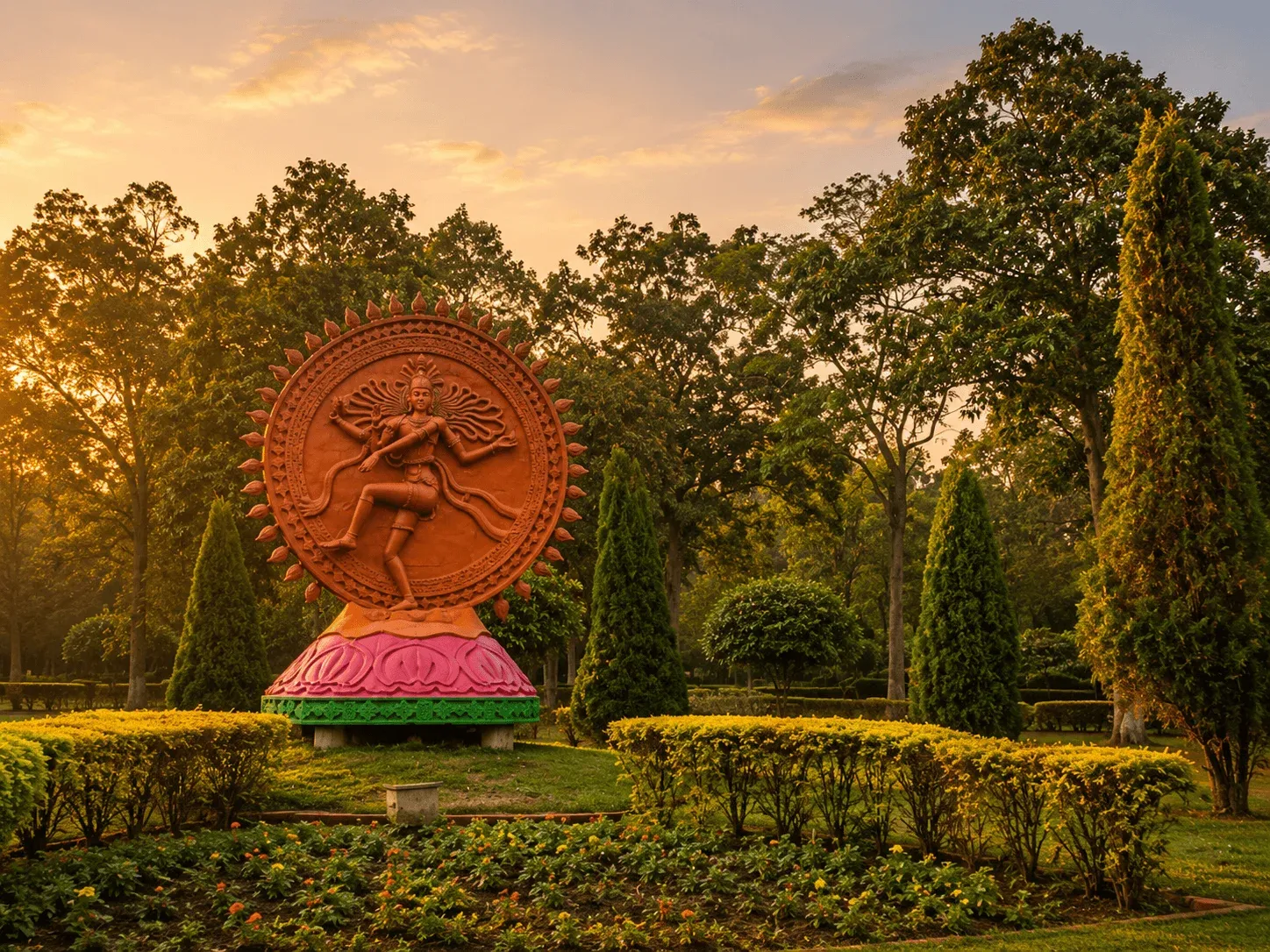
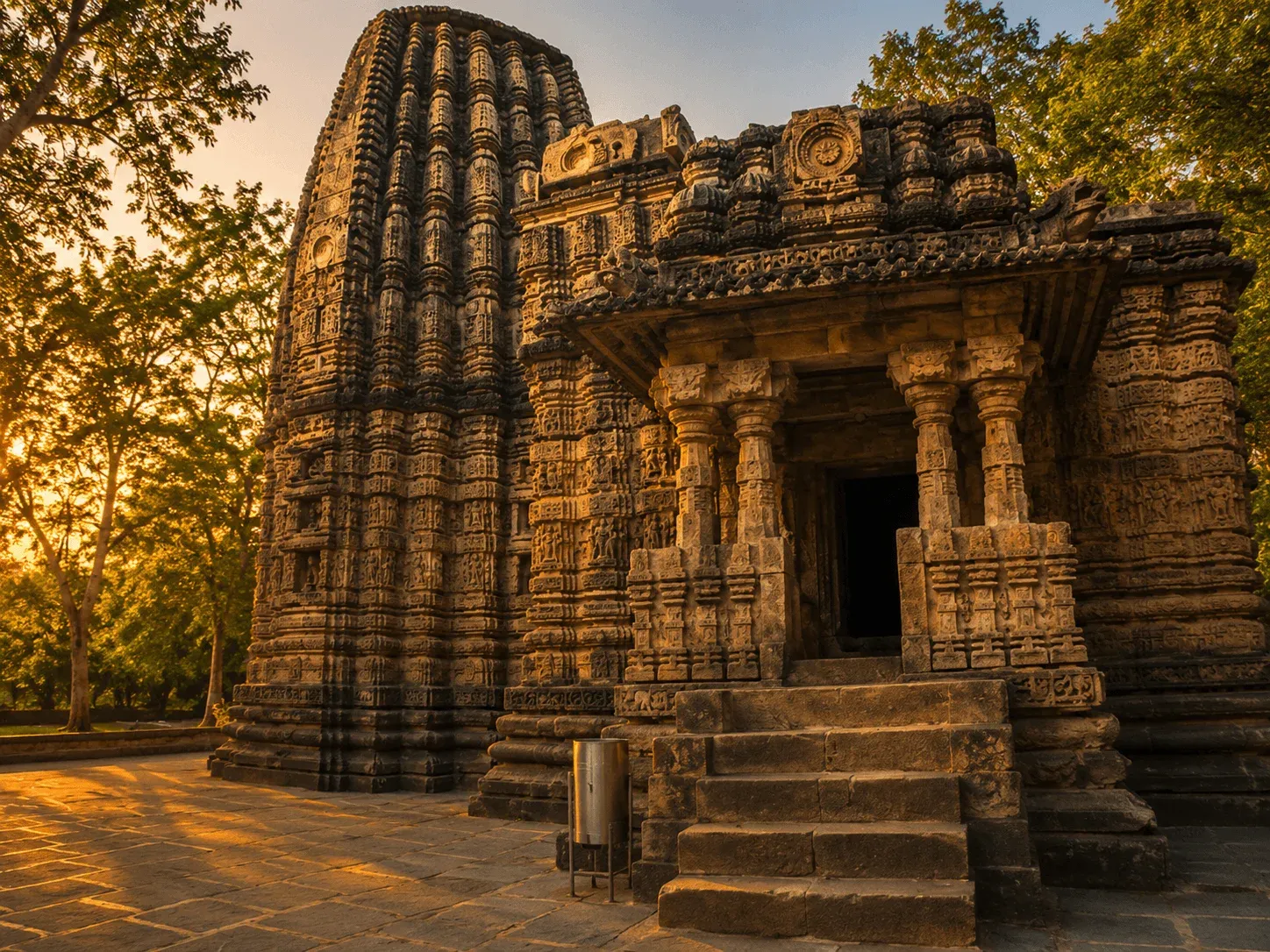
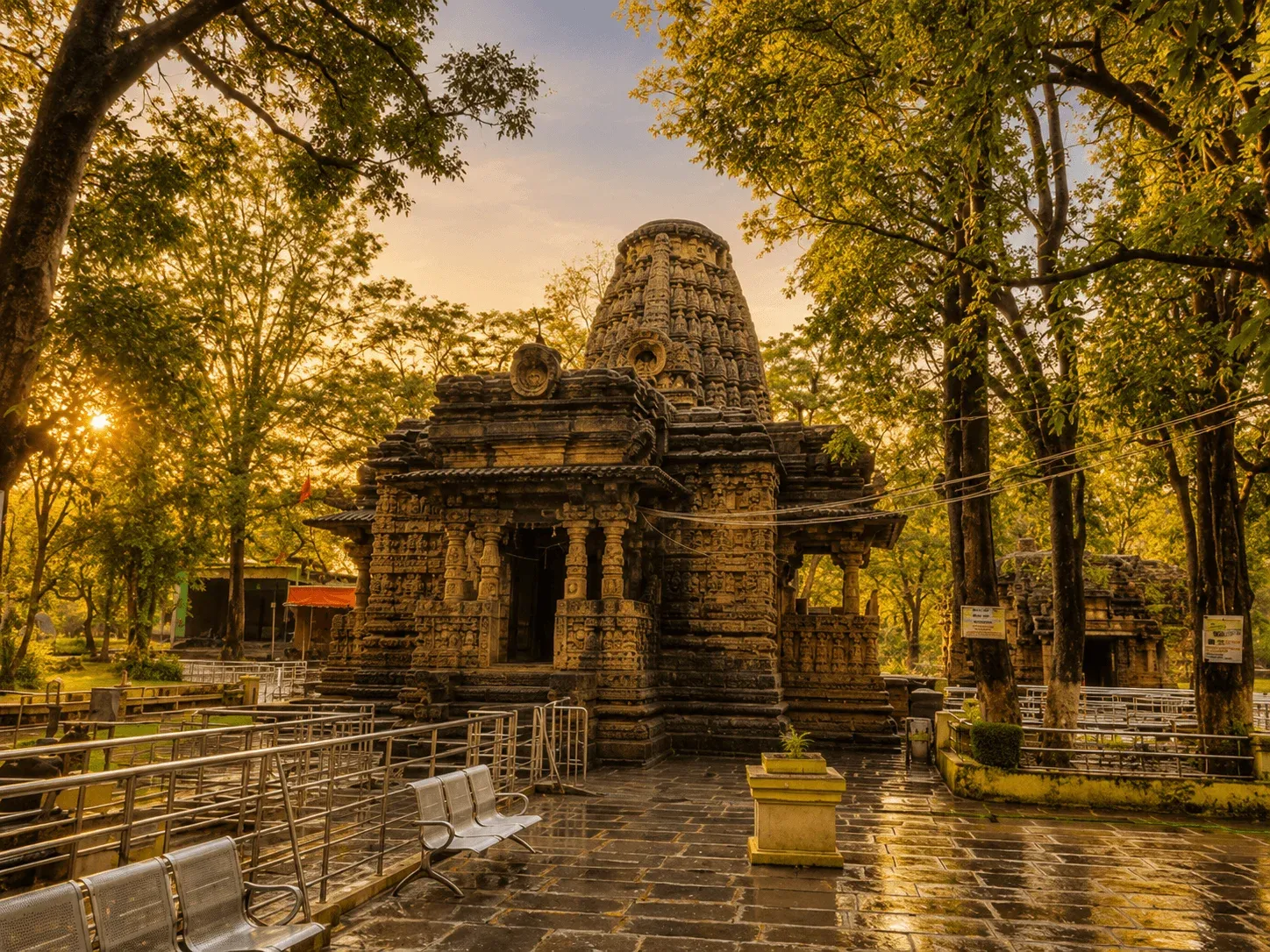
Built around 1089 CE by the Faninagvansh (Naga) dynasty in Kabirdham district near Kawardha, Bhoramdeo is a Nagara-style Shiva temple celebrated for its 54 erotic stone carvings — earning it the enduring nickname "Khajuraho of Chhattisgarh." The complex holds three temples spanning nearly a thousand years: a 2nd–3rd century brick shrine, the main 11th-century carved stone temple, and the Madwa Mahal (1349 CE) built as a ceremonial marriage hall.
Bhoramdeo Temple
Chhattisgarh's Khajuraho — An 11th-Century Shiva Temple with 54 Erotic Carvings in the Maikal Hills
A Glimpse into the History of Bhoramdeo Temple
The Faninagvansh Dynasty (11th Century)
The main stone temple was commissioned around 1089 CE by rulers of the Faninagvansh (Naga) dynasty — specifically attributed to kings Gopal Dev and Laxman Dev Rai. The temple is dedicated to Lord Shiva and named "Bhoramdeo" after the deity worshipped by the local Gond tribal community, reflecting the cultural fusion of Brahmanical and tribal traditions in this region.
The Oldest Shrine & Madwa Mahal
The complex predates the main temple significantly — an Istaliq brick shrine on the same site dates to the 2nd–3rd century CE, making it among the older surviving religious structures in Chhattisgarh. A third structure, the Madwa Mahal, was added in 1349 CE as a marriage hall (mandap) and carries its own set of carved decorations on an open pillared terrace.
Rediscovery and ASI Protection
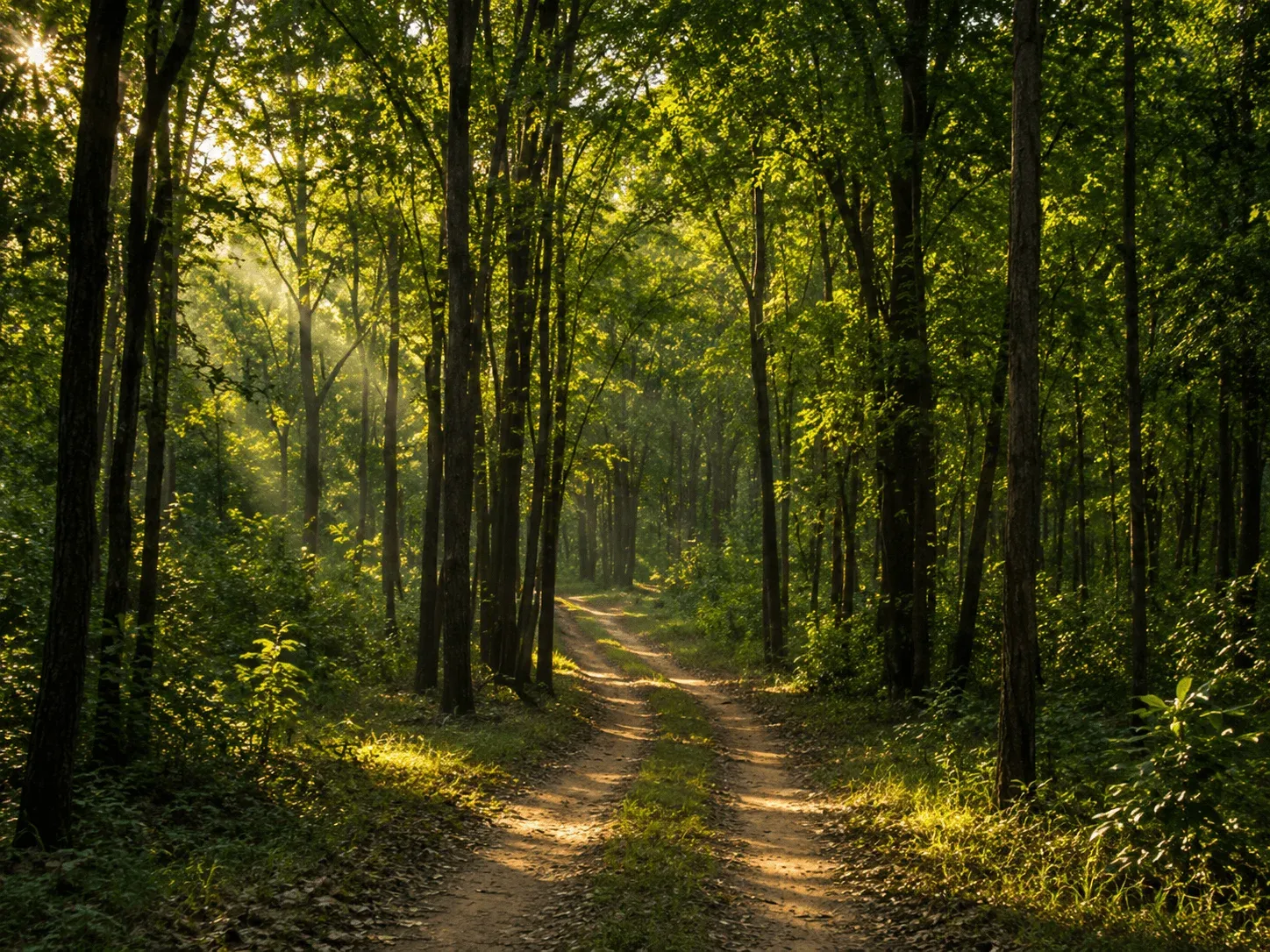
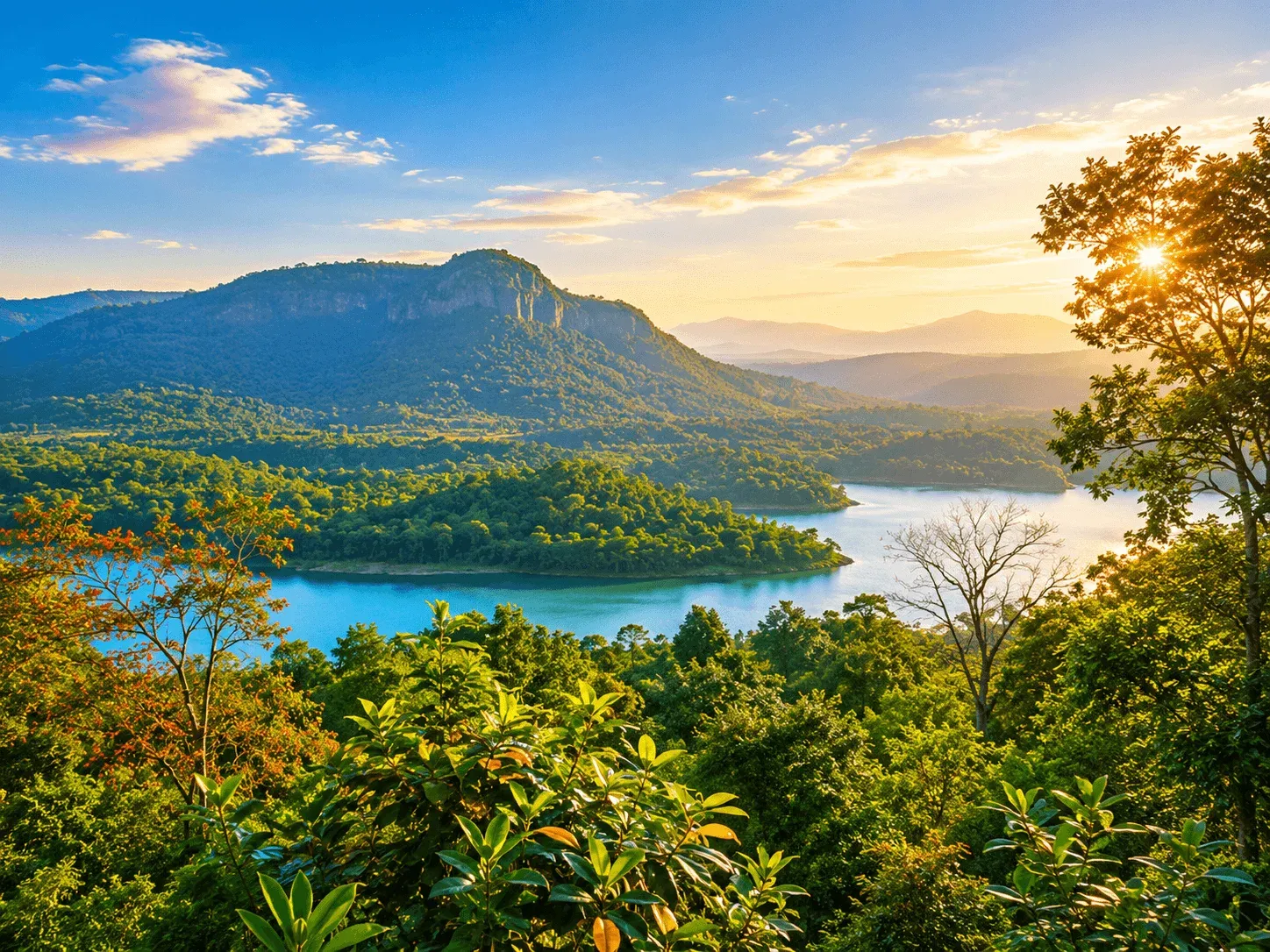
Bhoramdeo remained relatively obscure outside the Kabirdham region until systematic documentation and Archaeological Survey of India protection brought wider attention. The site's remoteness in the Maikal Hills — with dense sal and teak forest as a backdrop — kept it insulated from mass tourism, and it remains far less crowded than comparable heritage sites in central India.
Significance of Bhoramdeo Temple
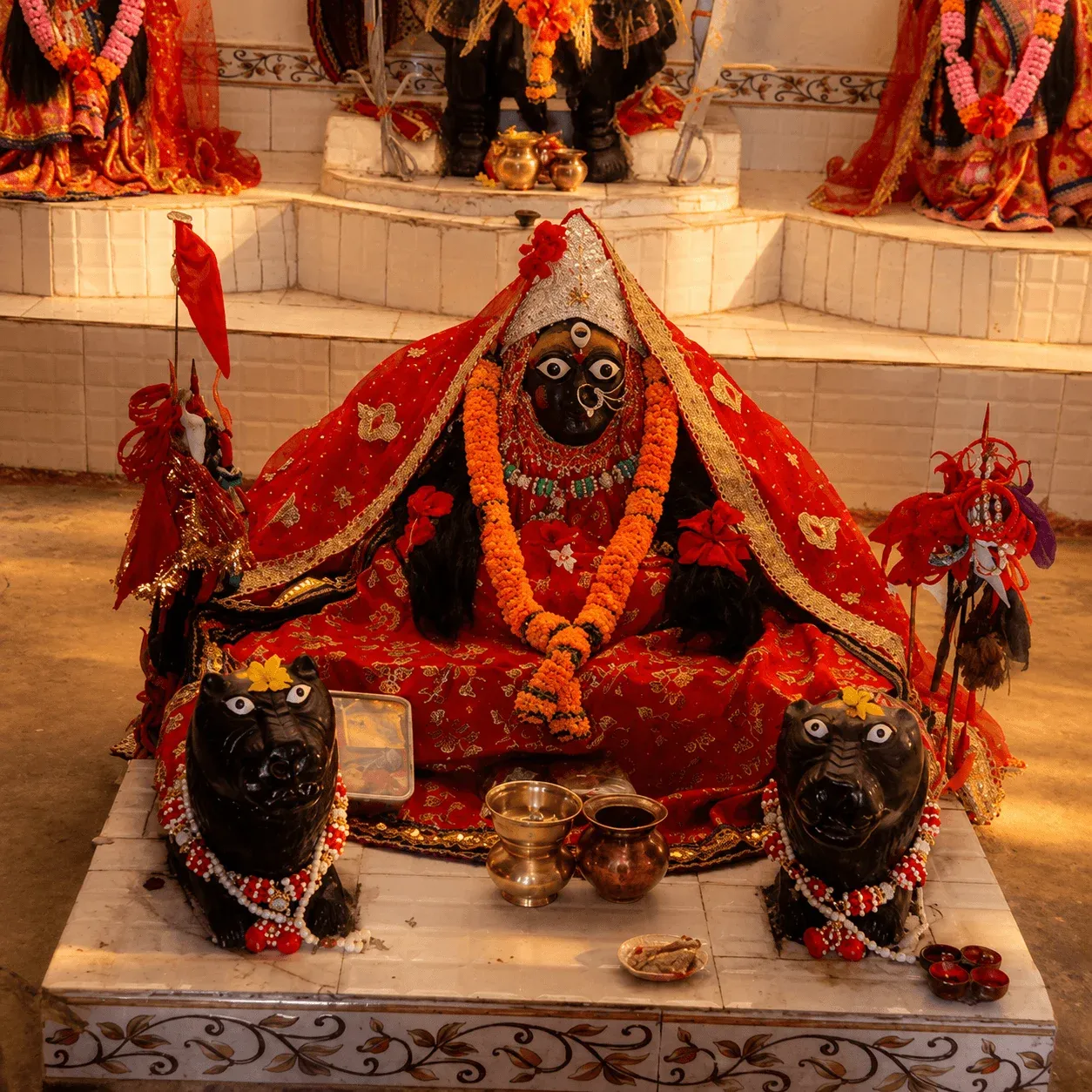
Bhoramdeo is the only temple complex in Chhattisgarh with a continuous architectural timeline spanning from the 2nd century to the 14th century CE. Its Nagara-style shikhara, profuse exterior carvings — including 54 erotic sculptures in the Tantric tradition — and iconographic panels of celestial musicians, apsaras, and mythological scenes make it architecturally comparable to the Khajuraho group, though far less visited. The temple also holds living religious significance: daily puja is performed for Lord Shiva, and Gond tribal communities continue to revere Bhoramdeo as a deity of their own cultural tradition.
Festivals at Bhoramdeo
Bhoramdeo Mahotsav (March)
The annual Bhoramdeo Mahotsav is held at the temple grounds during March, featuring classical and folk dance performances, tribal music, and cultural programmes against the backdrop of the illuminated temple. It's modelled on the Khajuraho Dance Festival format and draws performers and visitors from across Chhattisgarh — the best time to see the temple in a festive, active state.
Mahashivaratri (February–March)
Mahashivaratri draws large pilgrim crowds to Bhoramdeo, as the main temple is actively used for Shiva worship. Night-long puja, abhishek, and tribal rituals run through the festival — an occasion when the temple's dual identity as both ASI heritage site and living place of worship is most visible.
Three Temples, Three Centuries in One Complex
What makes Bhoramdeo unusual even within India's rich temple landscape is that a single complex holds three distinct religious structures from three different centuries: a 2nd–3rd century brick shrine, the 11th-century carved Nagara stone temple, and the 1349 CE Madwa Mahal marriage hall. Walking through the complex is literally walking through 1,200 years of architectural evolution — from simple brick construction to complex Tantric stone carving — all in a forested Maikal Hills setting that feels nothing like a busy pilgrimage town.
Travel Guide to Bhoramdeo Temple
How to Reach Bhoramdeo Temple
By Air: Raipur Airport (RPR) is the nearest airport, ~135 km from Bhoramdeo. Hire a taxi from Raipur — the drive via Kawardha town takes approximately 3–3.5 hours.
By Train: Raipur Junction (R) is the nearest major railhead (~130 km). Alternatively, Dongargarh station (~80 km) on the Howrah–Mumbai line is closer and has some express train connections.
By Road: From Raipur, take NH-30 toward Kawardha (~120 km), then local road to Bhoramdeo (~15 km from Kawardha town). State buses run Raipur–Kawardha; local transport covers the last stretch.
Best Time to Visit
Oct–Mar (Best): Cool (13–27°C), comfortable for outdoor temple exploration and forest surroundings. March coincides with Bhoramdeo Mahotsav — the ideal timing. Apr–Jun: Hot (35–43°C) but the Maikal Hills forest provides some shade; go early morning. Jul–Sep: Lush green monsoon — roads to Kawardha can be wet but the forest backdrop is spectacular.
Local Attractions
Bhoramdeo Wildlife Sanctuary (~2 km): Dense sal forest surrounding the temple — leopard, wild boar, sloth bear habitat; good forest walks.
Kawardha Palace (~15 km): A heritage palace in Kawardha town offering heritage hotel stays — a rare combination of royal architecture and forest proximity.
Achanakmar Wildlife Sanctuary (~80 km): Tiger Reserve and wildlife sanctuary at the edge of the Maikal Hills, connected to Kanha via forest corridors.
Tips for Visitors
Remove footwear before entering the main temple — the stone platform can be hot in summer, so plan for early morning visits between April and June.
Photography of the exterior carvings is permitted — best light for detail shots is between 8–10 AM when the sun hits the eastern and southern faces of the shikhara.
Hire a private taxi from Raipur for the day — public buses run to Kawardha but the last stretch (15 km to Bhoramdeo) requires local auto or jeep hire at the Kawardha bus stand.
Accommodation options near Bhoramdeo are limited — stay in Kawardha town or book Kawardha Palace (heritage hotel) in advance for weekend trips.
Bhoramdeo Temple Location
Image Gallery